




High-Protein Diet: The Complete Guide to Effective, Lasting Weight Loss
High-Protein Diet: The Complete Guide to Effective, Lasting Weight Loss
A high-protein diet raises the share of protein in your daily intake to support weight loss while preserving muscle. This guide covers how it works, what to eat, the benefits, the precautions and how to start safely.
What is a high-protein diet?
A high-protein diet increases protein to around 25 percent of daily calories or more, versus 10 to 15 percent in a standard balanced diet. Protein is more satiating than carbohydrates or fats, which naturally reduces overall food intake, and its digestion uses more energy (the thermic effect of food). It is widely used for weight loss, muscle preservation during a calorie deficit, and recovery.
What to eat on a high-protein diet
Animal proteins
- Lean meats: chicken breast, turkey
- Whole eggs and egg whites
- Lean fish (cod, sole, canned tuna) and oily fish (salmon, mackerel)
- Fat-free fromage blanc and plain Greek yogurt
Plant proteins
- Legumes: lentils, chickpeas, kidney beans
- Firm tofu and tempeh
- Edamame, hemp and chia seeds
Supplements and substitutes
- Whey and casein (slow digesting, ideal in the evening)
- Plant protein powders (pea, rice, hemp)
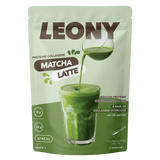
- High-protein bars, shakes and meal replacements from MinciDélice
How the MinciDélice high-protein method works
The method runs in phases: an active weight-loss phase rich in protein, a transition phase that gradually reintroduces foods, and a stabilisation phase to maintain results over time.
Benefits of a high-protein diet
- Rapid, targeted fat loss
- Lasting satiety and fewer cravings
- Muscle mass preservation during a deficit
- Easy to follow with convenient products
Side effects and precautions
Excessive, prolonged protein intake without supervision can strain the kidneys, cause nutrient imbalances or dehydration. Drinking enough water and keeping fibre intake up are essential.
What health authorities say
The reference protein intake for a healthy adult is 0.83 g per kilogram of body weight per day according to the European Food Safety Authority (EFSA). The EFSA considers intakes up to roughly double this value safe for healthy adults. Beyond that, or with kidney, liver or cardiovascular conditions, supervision by a doctor or dietitian is recommended.
High-protein diet for beginners: where to start
A simple benchmark is 1.6 to 2 g of protein per kilogram of body weight per day for an active adult losing weight. Build each main meal around an identifiable protein source, keep green vegetables on the plate, and drink at least 1.5 to 2 litres of water a day. Increase protein gradually over a few weeks to avoid digestive discomfort.
Frequently asked questions
To go further with the high-protein diet
Our complementary guides to dig deeper depending on your needs.